
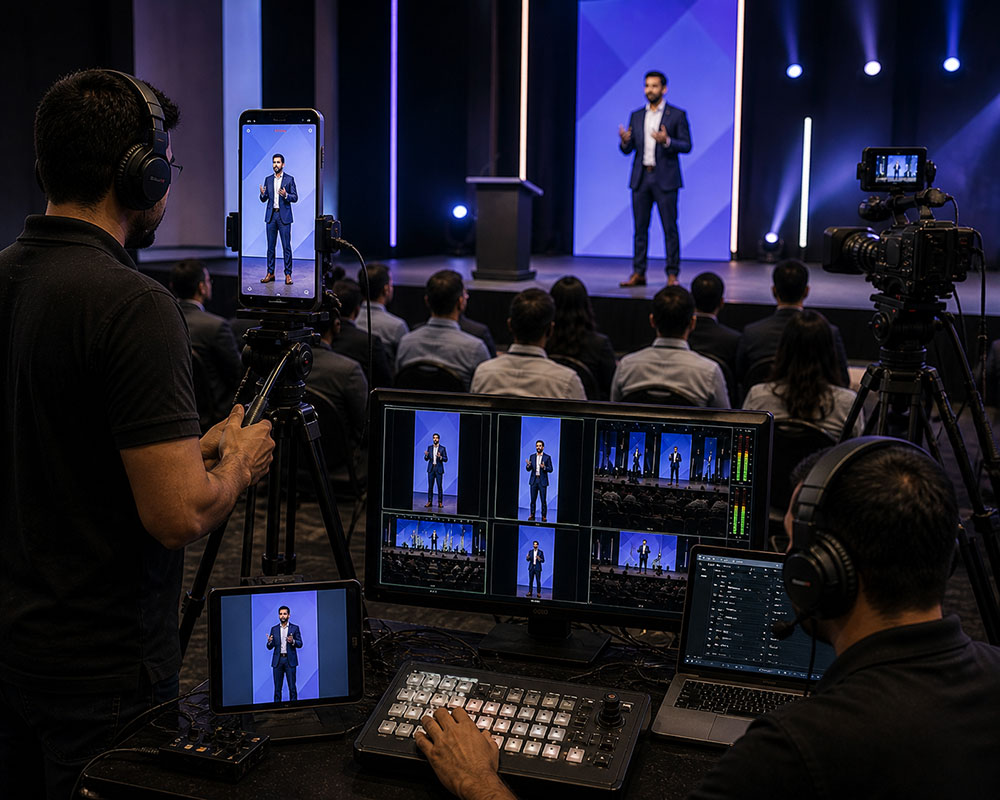
The way audiences consume content has shifted dramatically toward mobile devices. Vertical video streaming has become the dominant format on platforms like Instagram and TikTok. For brands, optimizing live streams for vertical viewing is essential in 2026.
What is Vertical Video Streaming?
Vertical video uses a 9:16 aspect ratio designed for mobile screens. It fills the entire screen, providing a more immersive experience for viewers.
Why Vertical Video Matters
Most users consume content on smartphones. Vertical videos eliminate the need to rotate screens, improving user experience and engagement.
Benefits of Vertical Streaming
– Higher engagement rates
– Better mobile experience
– Increased watch time
– Platform algorithm preference
Platforms Supporting Vertical Live Streaming
– Instagram Live
– TikTok Live
– YouTube Shorts (for vertical content)
Best Practices for Vertical Streaming
1. Frame Your Subject Properly
Keep the main subject centered and avoid cutting important elements.
2. Use Vertical-Friendly Graphics
Design overlays, text, and branding for vertical format.
3. Optimize Lighting
Ensure your subject is well-lit to maintain clarity on small screens.
4. Keep Content Short and Engaging
Mobile audiences prefer quick and engaging content.
5. Interact with Viewers
Use comments, polls, and live reactions to boost engagement.
6. Use High-Quality Cameras
Even for vertical content, quality matters.
Common Mistakes to Avoid
– Using horizontal content in vertical format
– Ignoring mobile optimization
– Poor framing and composition
Conclusion
Vertical video streaming is no longer optional—it is the standard for mobile-first audiences. Brands that optimize for vertical formats will see higher engagement and better reach.
